
The Disconnected Republic: How to Recover the Path That Unites Us
On any given morning, while traffic in Guatemala City advances as if carrying a cross of concrete, a child dies of malnutrition in Panzós. His
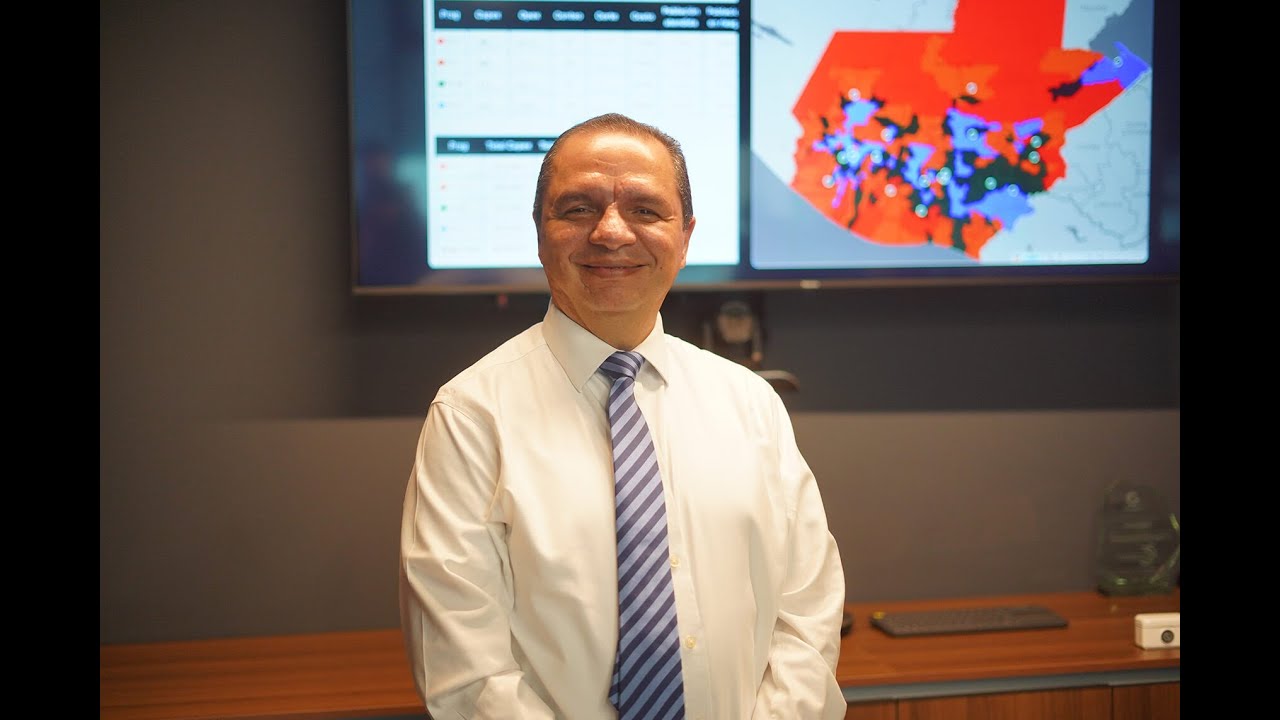
From the private sector, he leads Improvement & Progress, S.A., where he promotes artificial intelligence as a tool that enhances human potential. His approach combines accelerated digital transformation, data-driven decision-making based on information verified at its source, and a demanding principle: when answers do not exist, experimentation, measurement, and knowledge creation continue until the models work. Guided by this philosophy, he develops high-value, customized solutions to complex challenges, integrating technology, strategy, and human behavior to transform information into results.
With more than twenty years of international experience, he is a columnist for Republica.gt and the author of Where Do We Come From, Guatemala?
He holds a clear conviction: societies do not progress by merely addressing poverty; they advance when they are able to create wealth sustainably for the majority of their citizens.
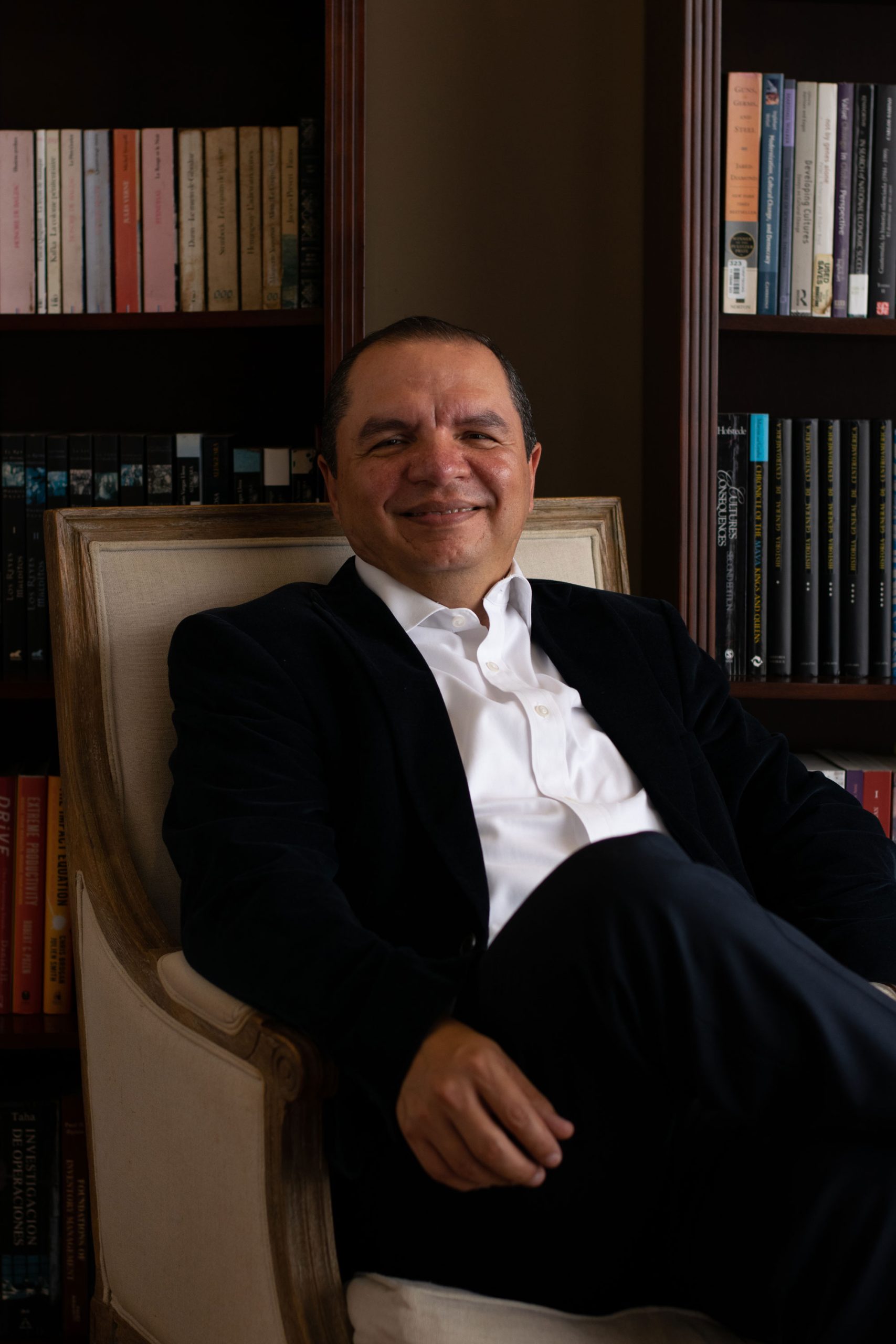
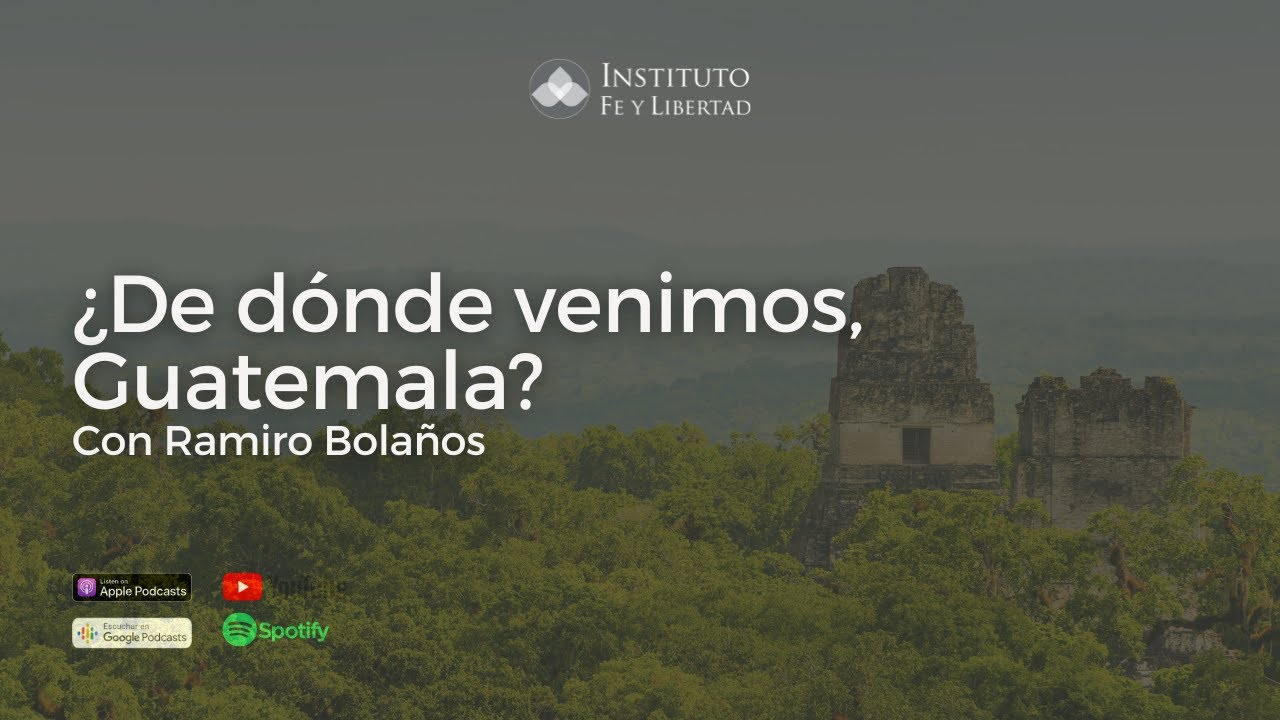
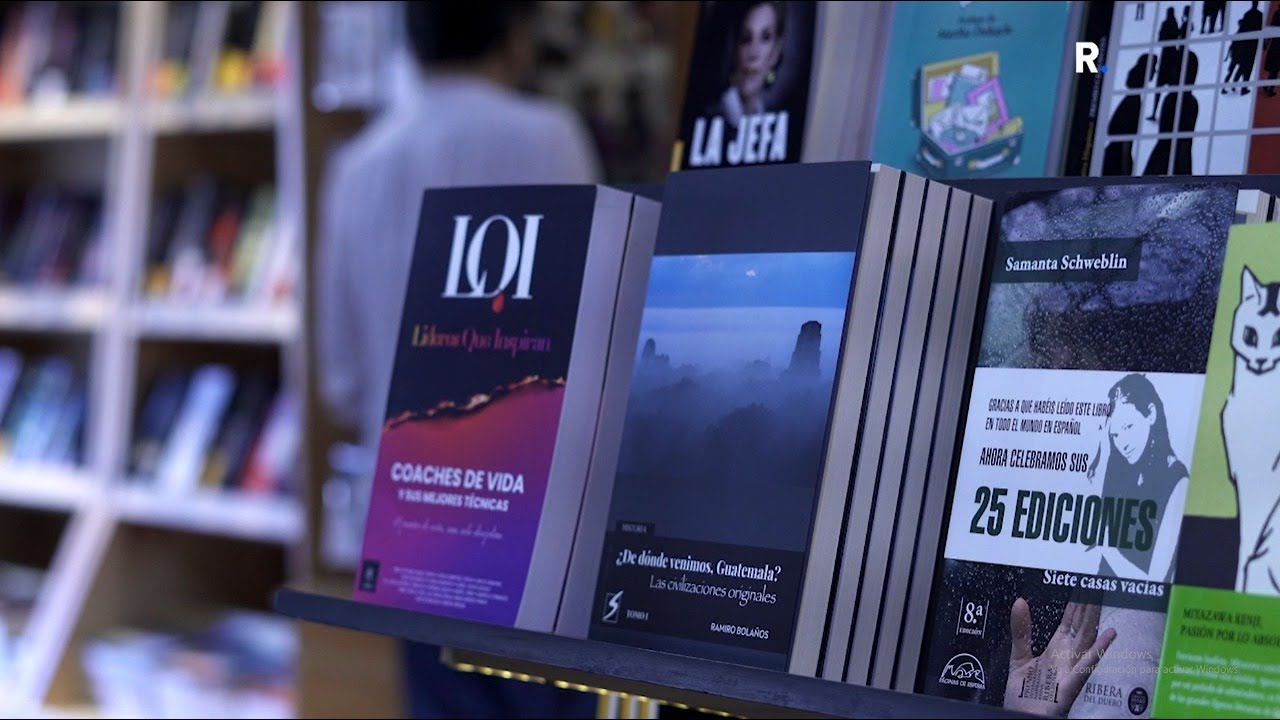
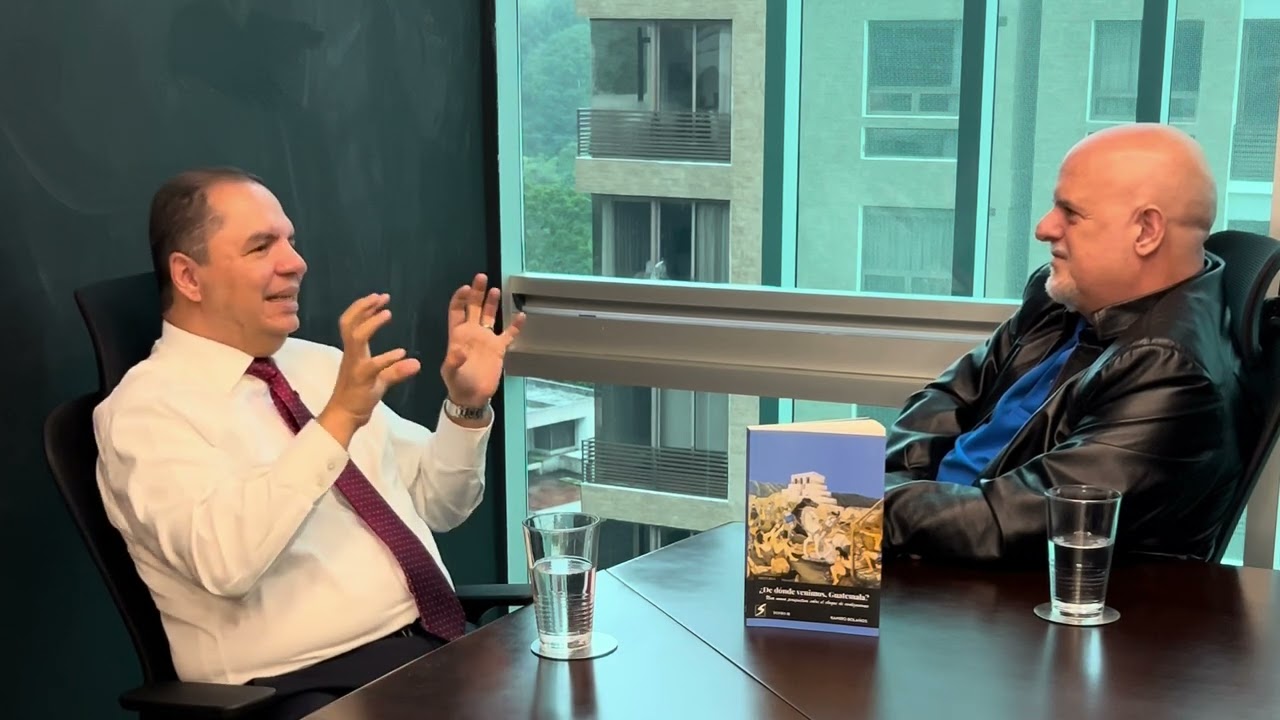

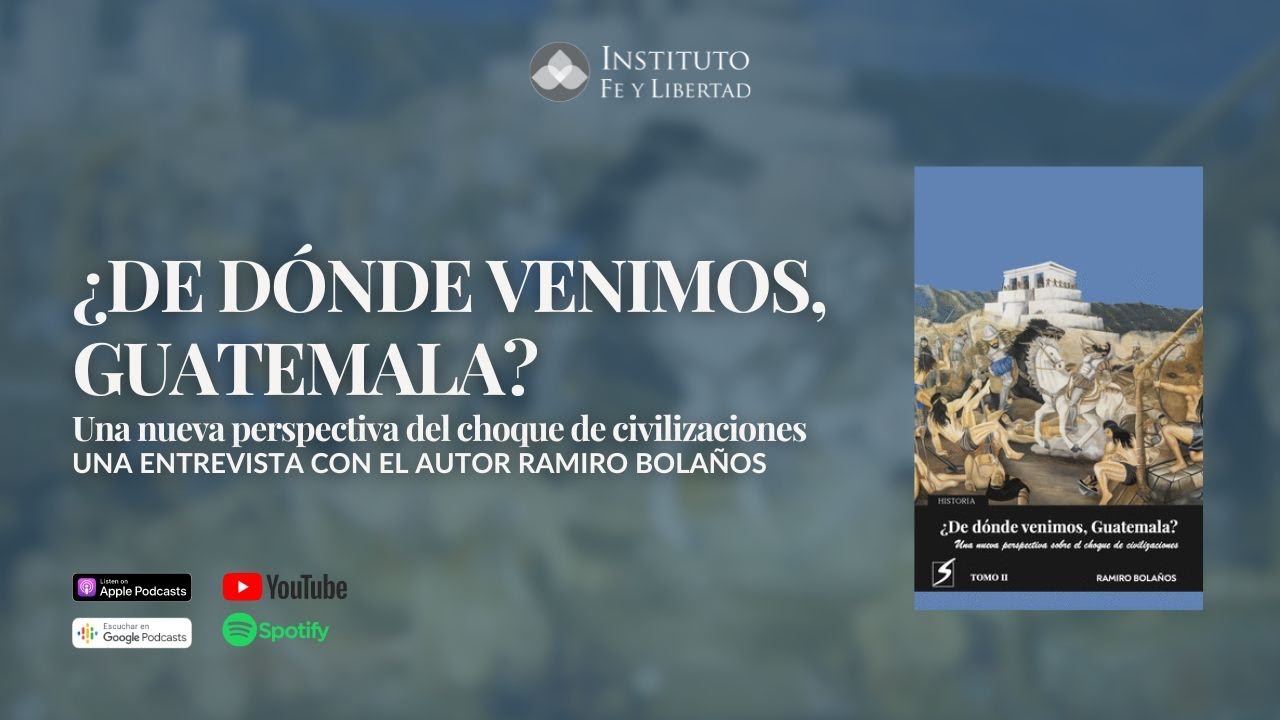




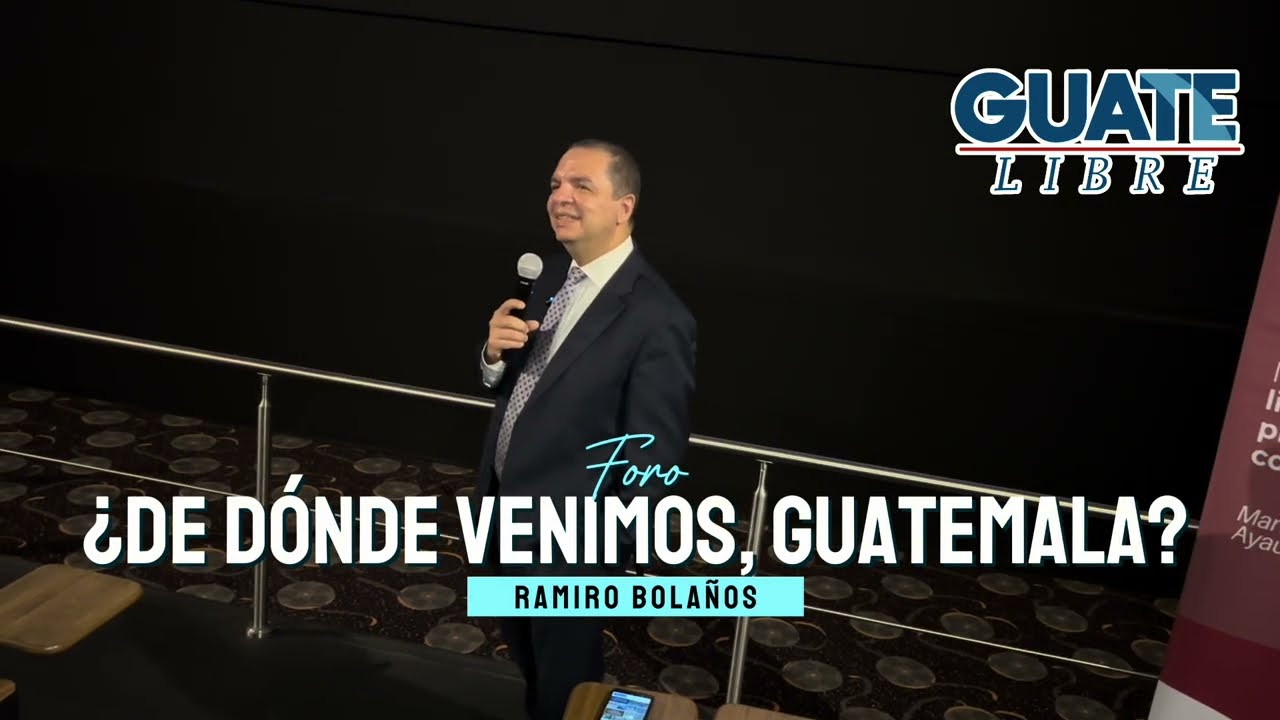


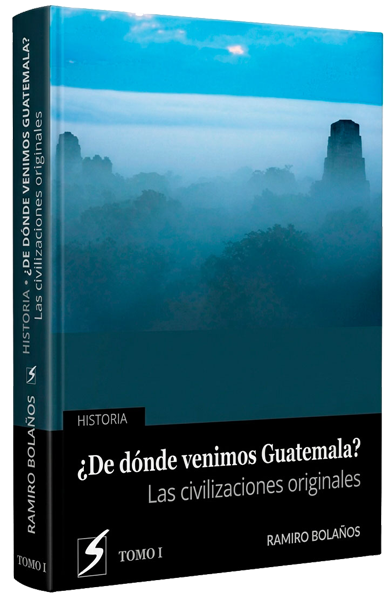
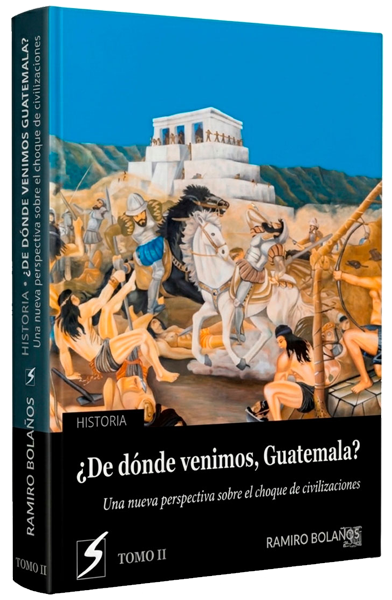
Dr. Ramiro Bolaños, who has devoted many years to studying the history of Guatemala and the region, offers a unique contribution through a series of books. Drawing on countless sources, he recounts the history of the various civilizations and cultures that have inhabited these lands since their origins, exploring their evolution, challenges, achievements, advances, and setbacks. Through this work, he provides readers with a broad and insightful perspective on the historical processes that have shaped Guatemala and its place within the wider regional context.
On any given morning, while traffic in Guatemala City advances as if carrying a cross of concrete, a child dies of malnutrition in Panzós. His
There are moments in history when the pieces of the geopolitical chessboard shift so quickly that those who are not prepared to leap are condemned
There are moments when a people seem broken. Tired of promises, overwhelmed by frustration, numbed by routine. Argentina has reached that point many times. But
Guatemala has one of the best climates on the planet. Visitors repeat it, studies confirm it, and we feel it every morning when the sun
Spain has become the stage for a silent but decisive struggle: the one between two models of country, government, and society. One believes in individual
A year ago, I began writing this column with a question that still accompanies me: can a society be free without virtuous citizens? Today, as