

How Much Equality Can Freedom Bear?
In the winter of 1854, in the archives of a French province, a forty-eight-year-old man asks for old files to be brought up. His chest
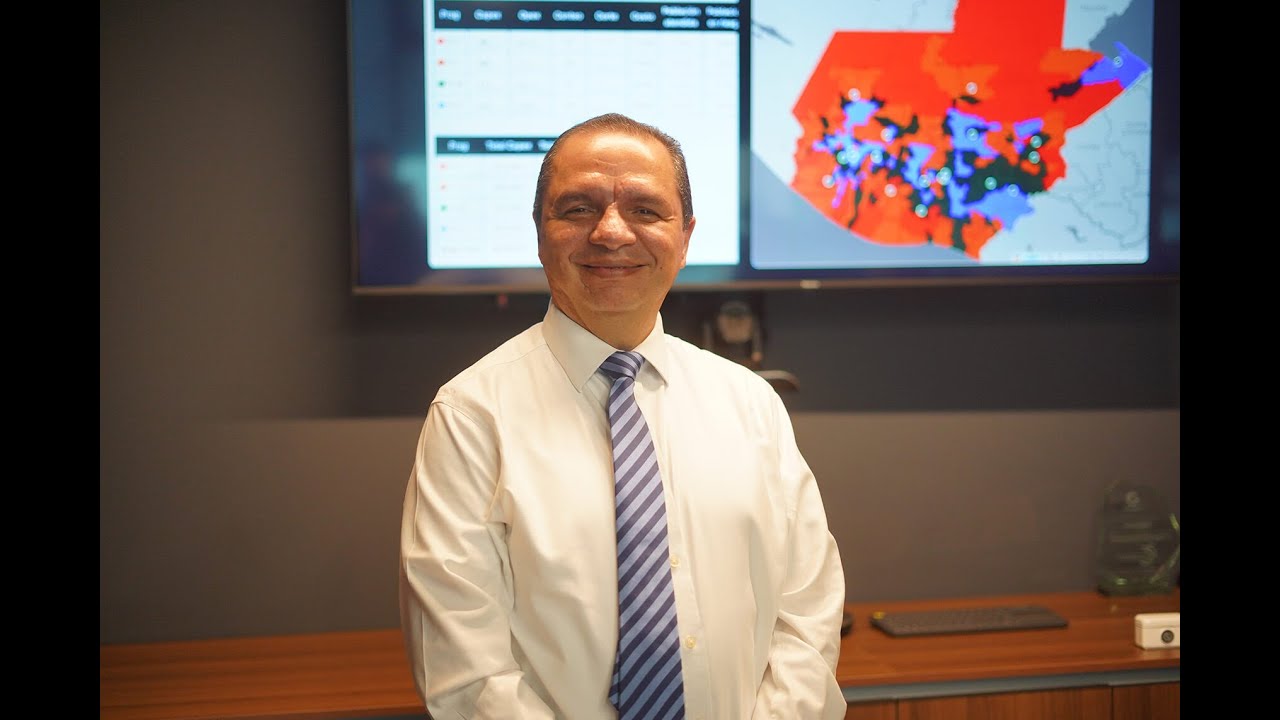
From the private sector, he leads Improvement & Progress, S.A., where he promotes artificial intelligence as a tool that enhances human potential. His approach combines accelerated digital transformation, data-driven decision-making based on information verified at its source, and a demanding principle: when answers do not exist, experimentation, measurement, and knowledge creation continue until the models work. Guided by this philosophy, he develops high-value, customized solutions to complex challenges, integrating technology, strategy, and human behavior to transform information into results.
With more than twenty years of international experience, he is a columnist for Republica.gt and the author of Where Do We Come From, Guatemala?
He holds a clear conviction: societies do not progress by merely addressing poverty; they advance when they are able to create wealth sustainably for the majority of their citizens.
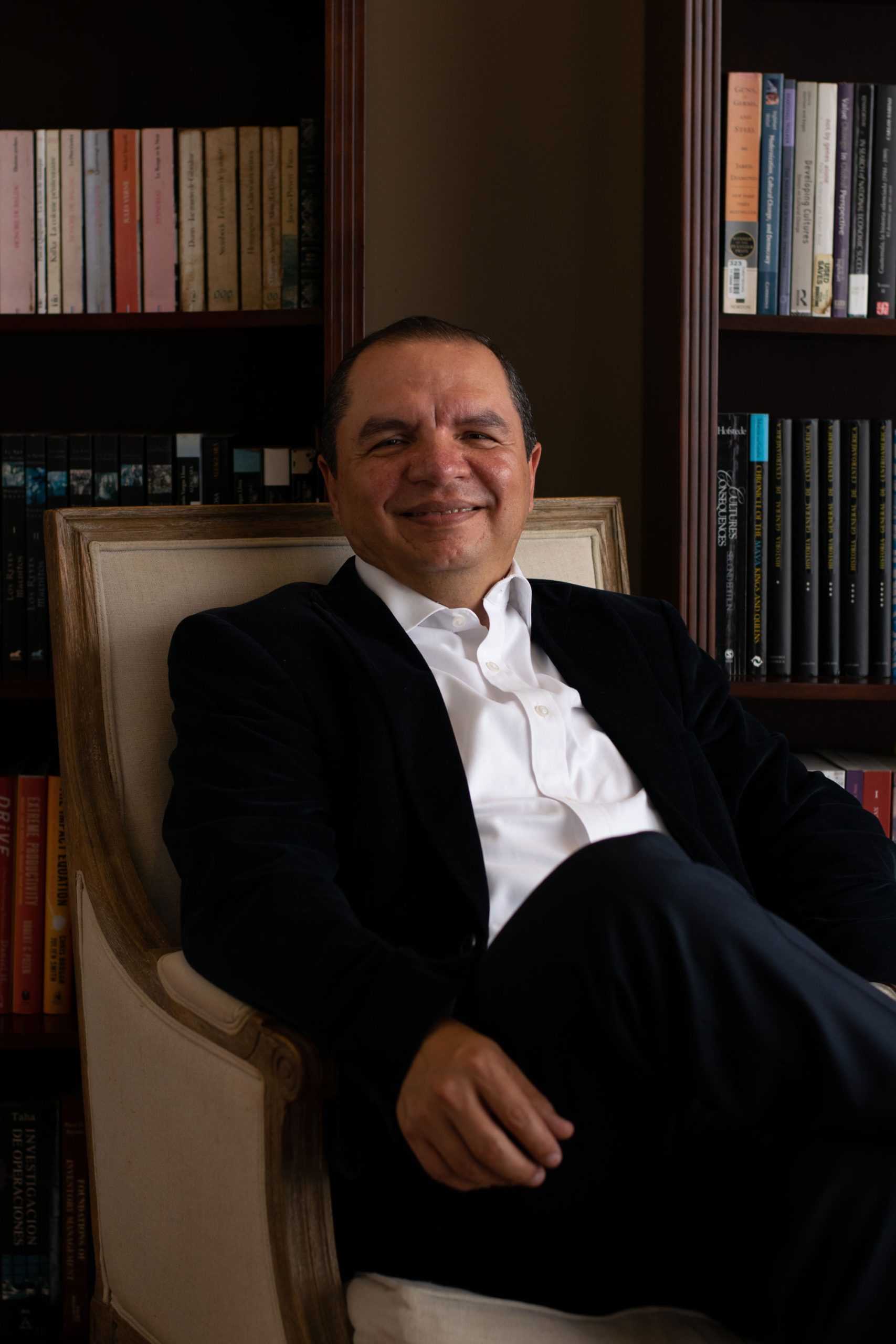

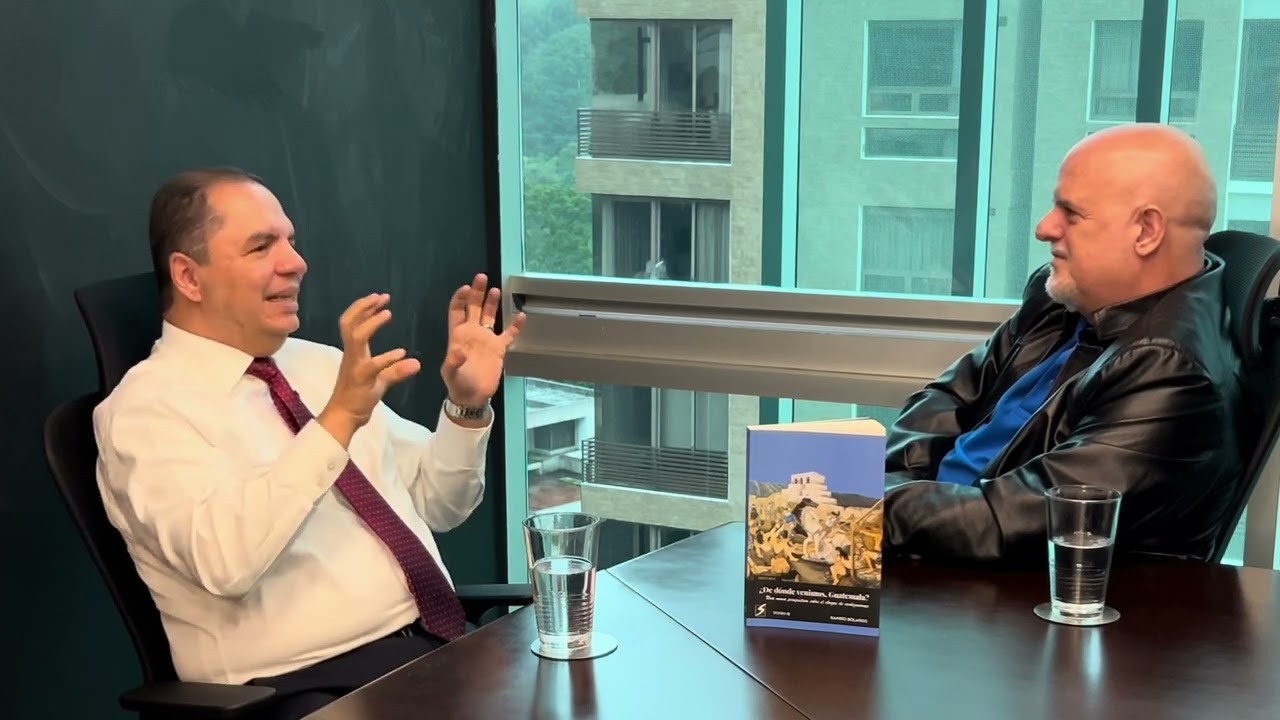

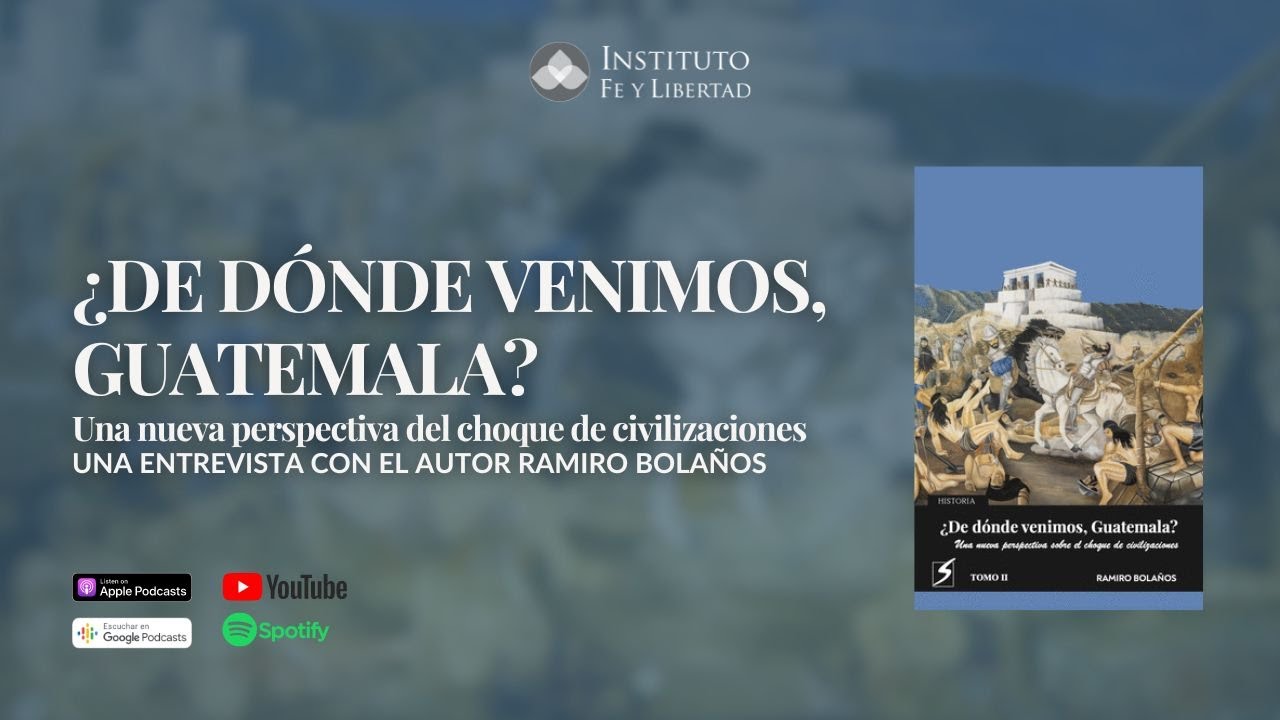





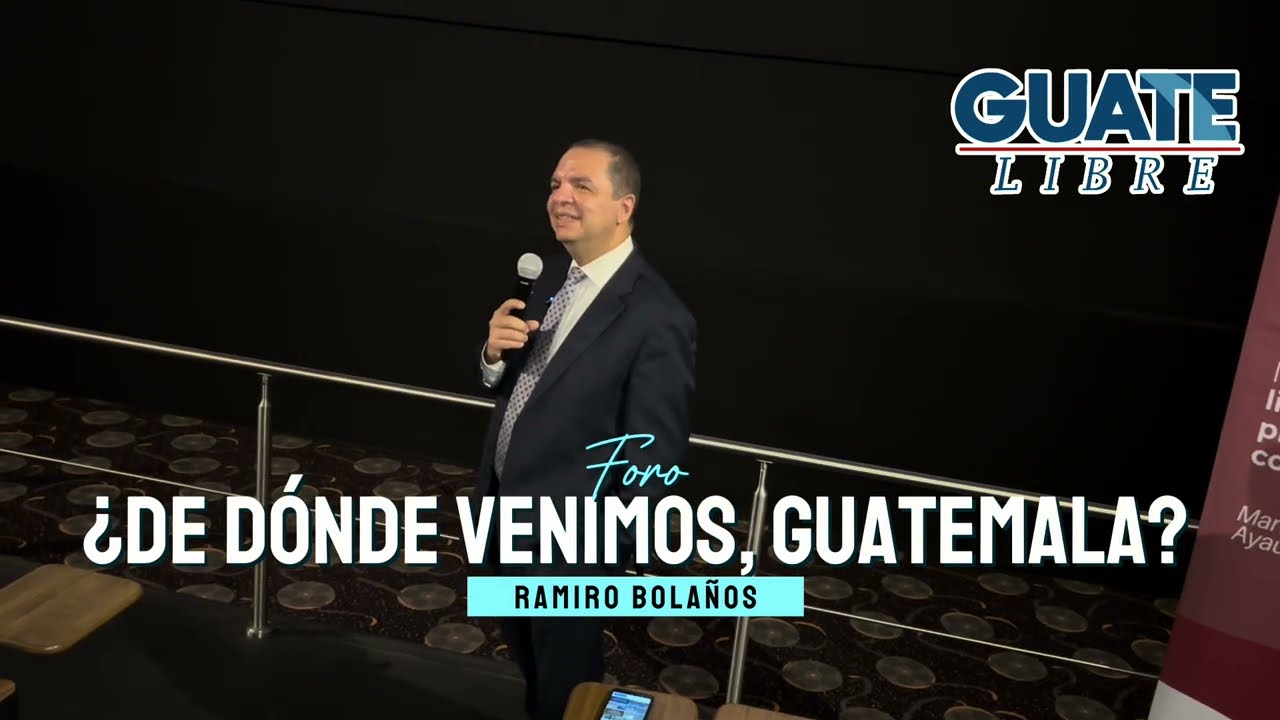


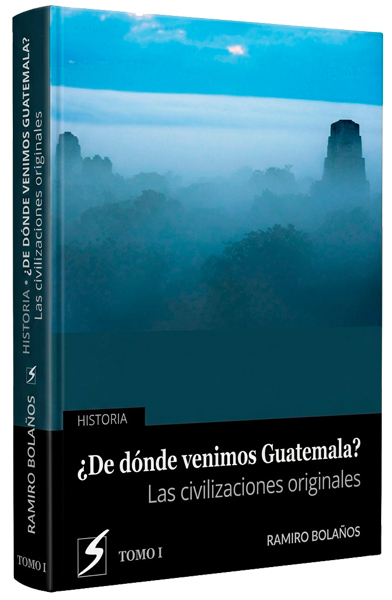
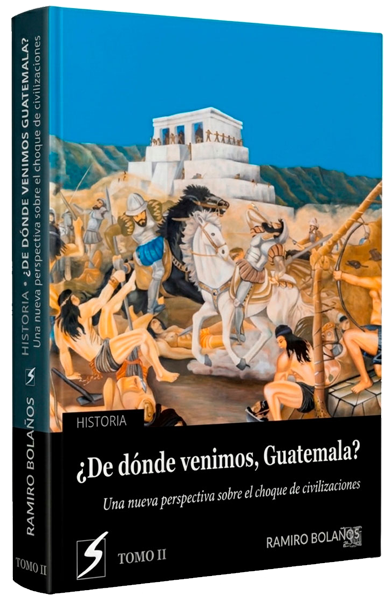
Dr. Ramiro Bolaños, who has devoted many years to studying the history of Guatemala and the region, offers a unique contribution through a series of books. Drawing on countless sources, he recounts the history of the various civilizations and cultures that have inhabited these lands since their origins, exploring their evolution, challenges, achievements, advances, and setbacks. Through this work, he provides readers with a broad and insightful perspective on the historical processes that have shaped Guatemala and its place within the wider regional context.

In the winter of 1854, in the archives of a French province, a forty-eight-year-old man asks for old files to be brought up. His chest
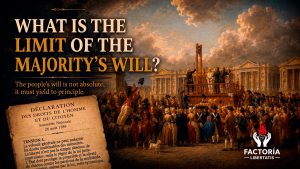
Rights do not exist in a vacuum: behind every right lies an obligation that someone must fulfill. From Locke and the French Revolution to Simone Weil and the 1948 American Declaration, this essay examines what happens when societies learn to demand rights while forgetting the duties required to sustain them.
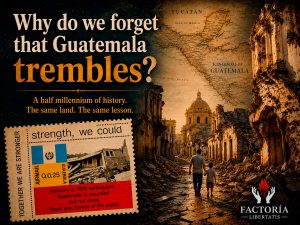
Guatemala has documented devastating earthquakes for nearly five centuries, yet the memory of disaster fades remarkably quickly. Fifty years after the 1976 earthquake, this essay revisits the country’s seismic history and asks an uncomfortable question: if we know the ground will shake again, why are we still unprepared?
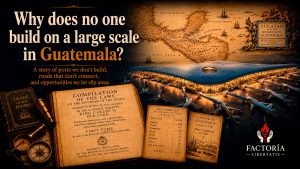
Guatemala sits between two oceans and at the heart of the Americas, yet for centuries it has functioned more as the end of the line than as a crossroads. This essay traces that history from the ports of the Kingdom of Guatemala to La Aurora International Airport and asks what it would take to turn geography into connectivity.
Laws may sanction misconduct, but they can never replace conscience. This essay argues that honor, civic virtue and political responsibility remain the true foundations of every enduring republic.
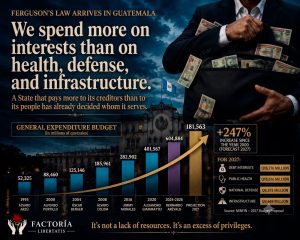
Guatemala’s 2027 budget reveals a critical fiscal milestone: interest payments on public debt now exceed spending on health, security and infrastructure. This essay applies Ferguson’s Law to examine what that means for the country’s future.