
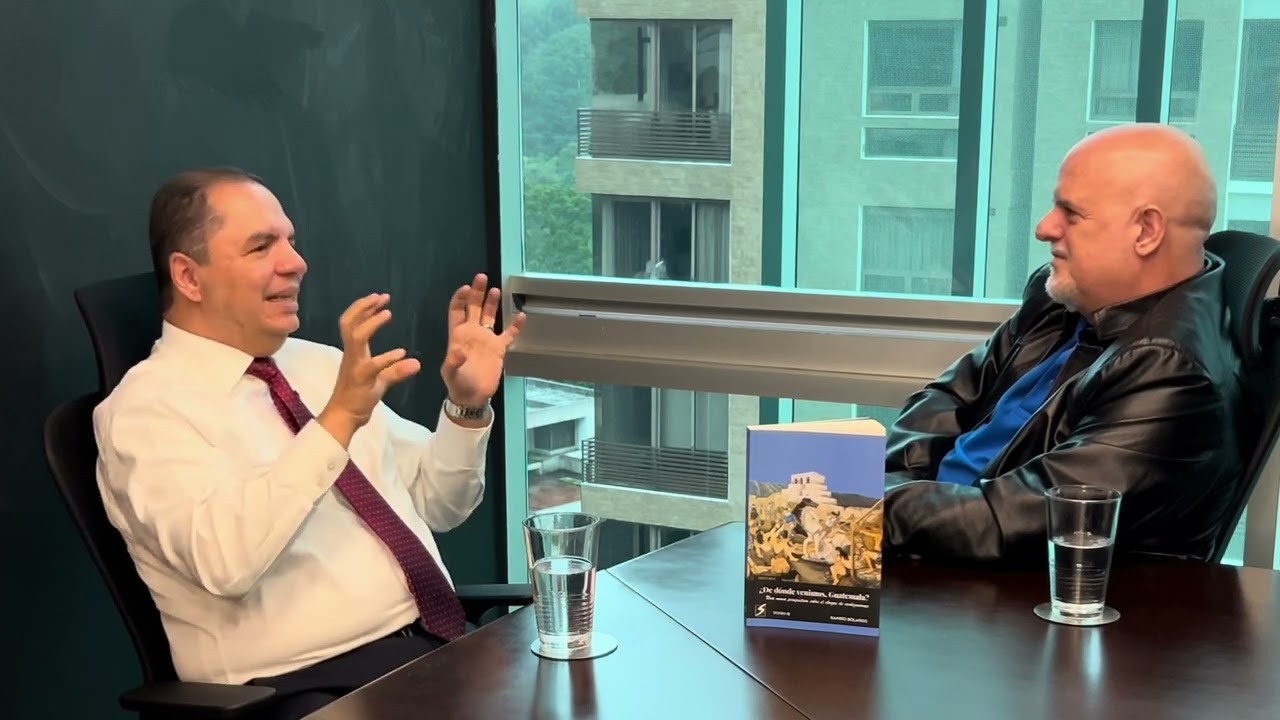





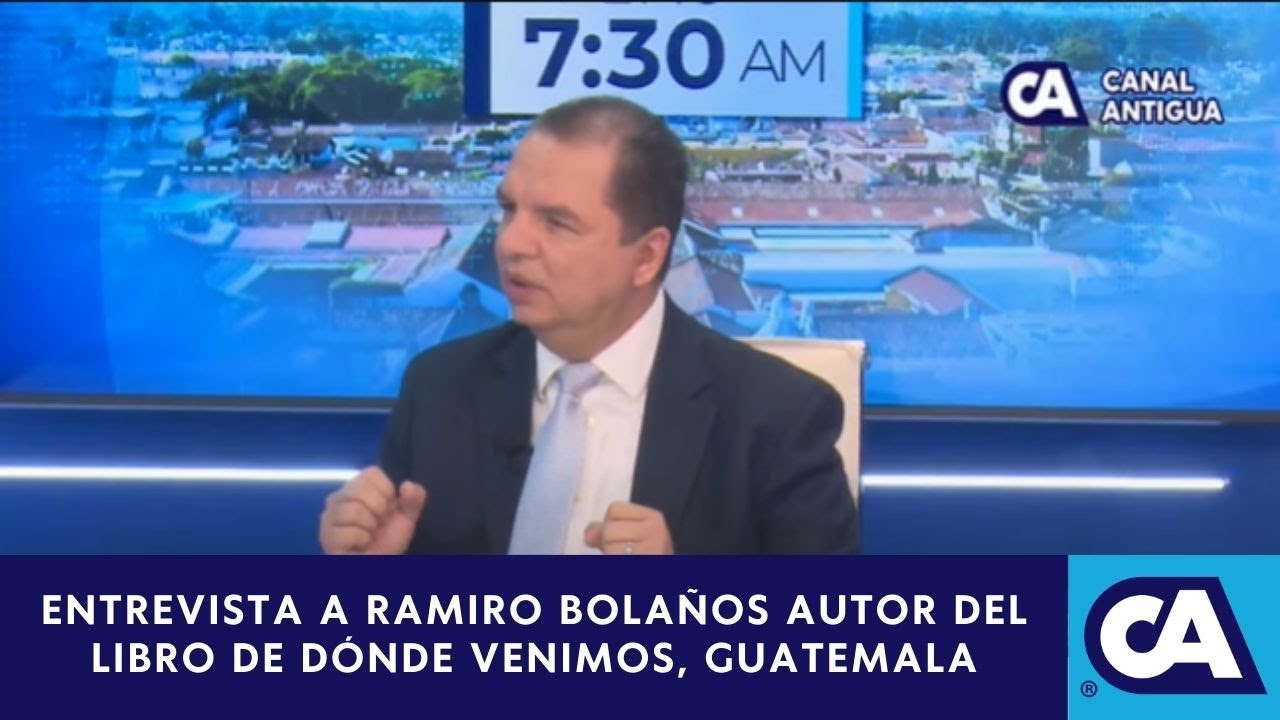

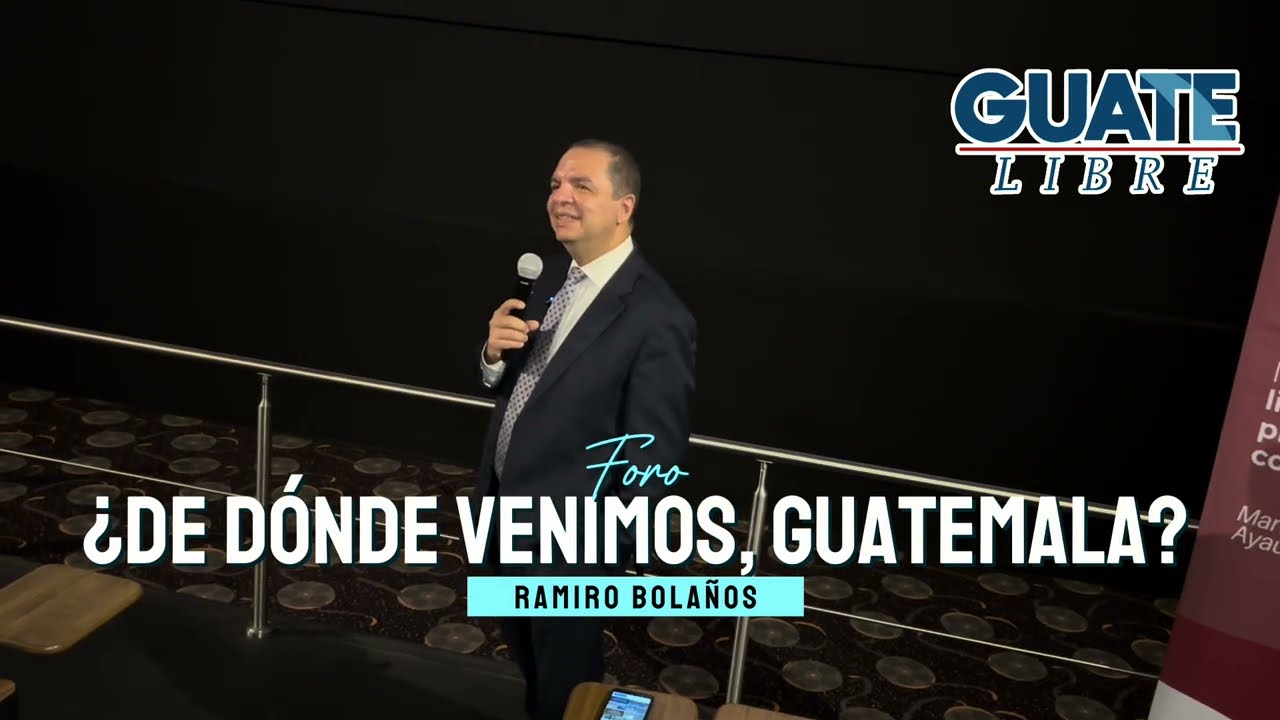




Ramiro Bolaños
He is a social researcher and entrepreneur focused on a central question: why do most societies fail not because of a lack of resources, but because they do not understand how wealth is created. Holding a Doctorate in Social Research, summa cum laude, he studies the relationship between culture, institutions, and prosperity.

Ramiro Bolaños

From the private sector, he leads Improvement & Progress, S.A., where he promotes artificial intelligence as a tool that enhances human potential. His approach combines accelerated digital transformation, data-driven decision-making based on information verified at its source, and a demanding principle: when answers do not exist, experimentation, measurement, and knowledge creation continue until the models work. Guided by this philosophy, he develops high-value, customized solutions to complex challenges, integrating technology, strategy, and human behavior to transform information into results.

With more than twenty years of international experience, he is a columnist for Republica.gt and the author of Where Do We Come From, Guatemala?

He holds a clear conviction: societies do not progress by merely addressing poverty; they advance when they are able to create wealth sustainably for the majority of their citizens.

Ramiro Bolaños

Videos

13 Videos

Libros

Libros

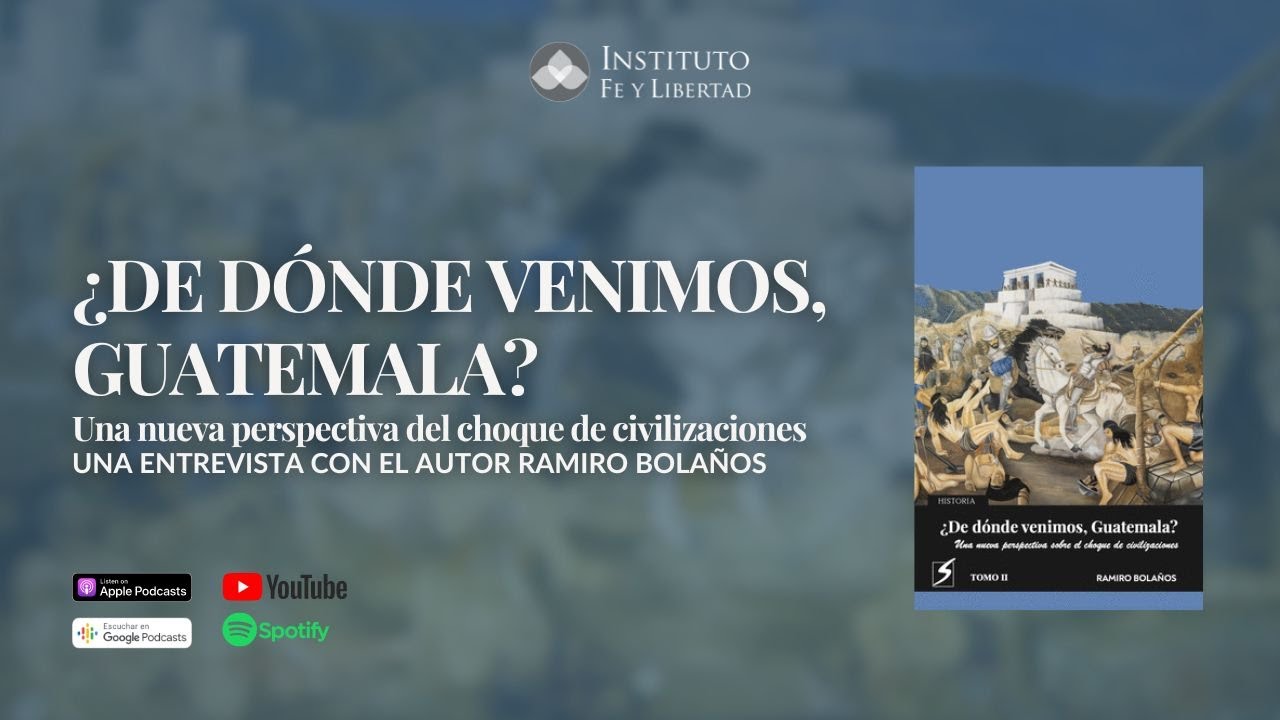
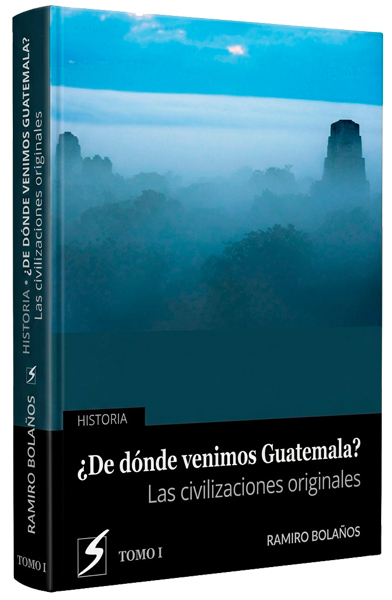
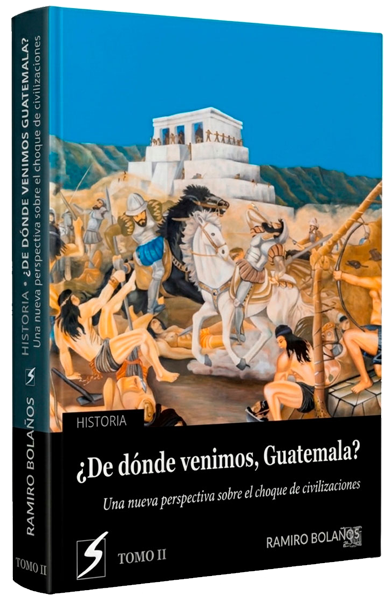
¿De dónde venimos Guatemala?

Dr. Ramiro Bolaños, who has devoted many years to studying the history of Guatemala and the region, offers a unique contribution through a series of books. Drawing on countless sources, he recounts the history of the various civilizations and cultures that have inhabited these lands since their origins, exploring their evolution, challenges, achievements, advances, and setbacks. Through this work, he provides readers with a broad and insightful perspective on the historical processes that have shaped Guatemala and its place within the wider regional context.

Artículos

Monetary stability in Guatemala and protection of savings against inflation, quetzal devaluation and currency crises.

Does the State Know Who Owns Its Land?

In Costa Rica, Argentina and Chile, monetary and fiscal decisions dramatically reduced the value of people’s savings. Guatemala also experienced a severe currency devaluation before adopting constitutional restrictions on government financing through its central bank. This essay examines why monetary stability should never be taken for granted and what is at stake when the Bank of Guatemala’s technical independence is weakened.

Read more...
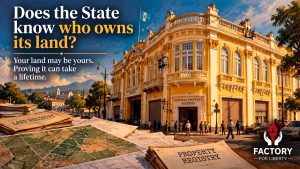
Property rights and legal certainty in Guatemala, highlighting discrepancies between cadastral records and the land registry.

Does the State Know Who Owns Its Land?

In Guatemala, owning land does not always mean having legal certainty over it. As cadastral surveys and property registration move slowly, land disputes delay investment and public infrastructure. From the case of Fray Bartolomé de las Casas to the experiences of Rwanda, Peru and Denmark, this essay examines how to accelerate land identification, formalization and the protection of property rights.

Read more...
Comparison between Uruguay and Guatemala on foreign investment, legal certainty and equal rules for investors.

Why Did Uruguay Land US$1 Billion Without Creating a Special Zone?

Uruguay attracted a proposed $1 billion investment without creating a special legal zone for the project. Guatemala, meanwhile, offers legal stability only to certain foreign investors while excluding entire sectors. This essay asks what would happen if the same guarantee were available to anyone willing to invest under the same conditions.

Read more...
History and development of Guatemala's ports following the country's new national port system law.

168,000 Days Asking Permission to Open a Port

In 1565, Guatemala began seeking permission to restore its natural outlet to the Pacific. There were reports, financing and authorizations, but the project never materialized. More than 168,000 days later, a new port law has given the country another tool. This essay asks how we will know whether Guatemala actually uses it this time.

Read more...
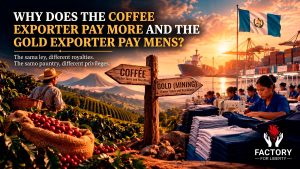
Comparison of tax incentives available to textile and coffee exporters in Guatemala.

Why Doesn’t the T-Shirt Exporter Pay, While the Coffee Exporter Does?

Guatemala set out to become an export economy in 1989, and for a time it succeeded. Thirty-seven years later, textiles and technology services receive tax benefits unavailable to other exporters such as coffee producers. This essay examines how sector-specific exemptions could be replaced by general rules that allow any company capable of investing, innovating and selling to the world to compete.

Read more...
Illustration of Guatemala's budget deficit, public debt and a proposal to penalize the approval of government spending without adequate funding.

What If Approving a Deficit Were a Crime?

In 1993, Guatemala effectively closed the door to financing government spending through monetary issuance, helping usher in decades of greater price stability. This essay asks whether the country should take the next step: prohibit deficit budgets by law and impose consequences on officials who authorize spending without identifying the resources to finance it.

Read more...