
From Absence to Disrepute: How Guatemala Is Losing the Battle of Global Perception
Guatemala faces a crisis of perception and strategy. Not only do we fail to appear in the key global competitiveness rankings, but when we do
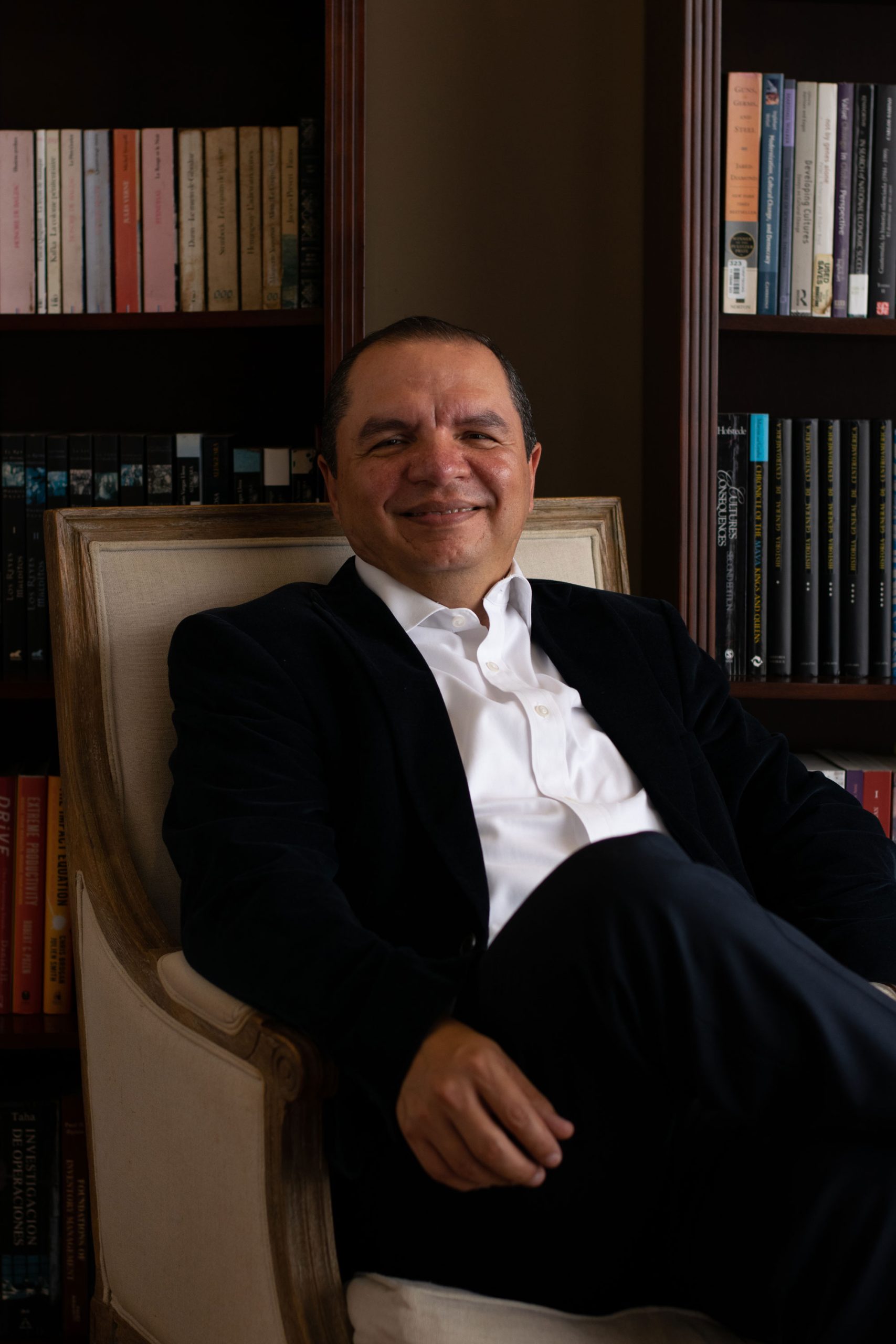
From the private sector, he leads Improvement & Progress, S.A., where he promotes artificial intelligence as a tool that enhances human potential. His approach combines accelerated digital transformation, data-driven decision-making based on information verified at its source, and a demanding principle: when answers do not exist, experimentation, measurement, and knowledge creation continue until the models work. Guided by this philosophy, he develops high-value, customized solutions to complex challenges, integrating technology, strategy, and human behavior to transform information into results.
With more than twenty years of international experience, he is a columnist for Republica.gt and the author of Where Do We Come From, Guatemala?
He holds a clear conviction: societies do not progress by merely addressing poverty; they advance when they are able to create wealth sustainably for the majority of their citizens.
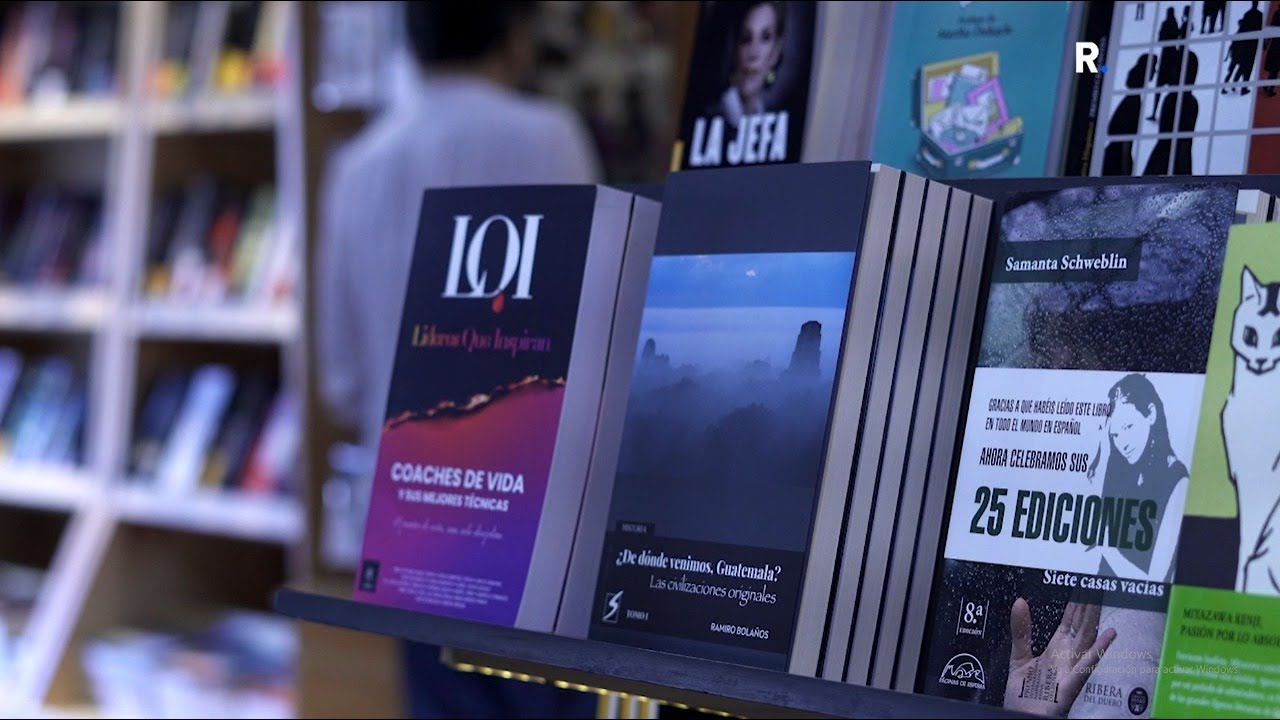
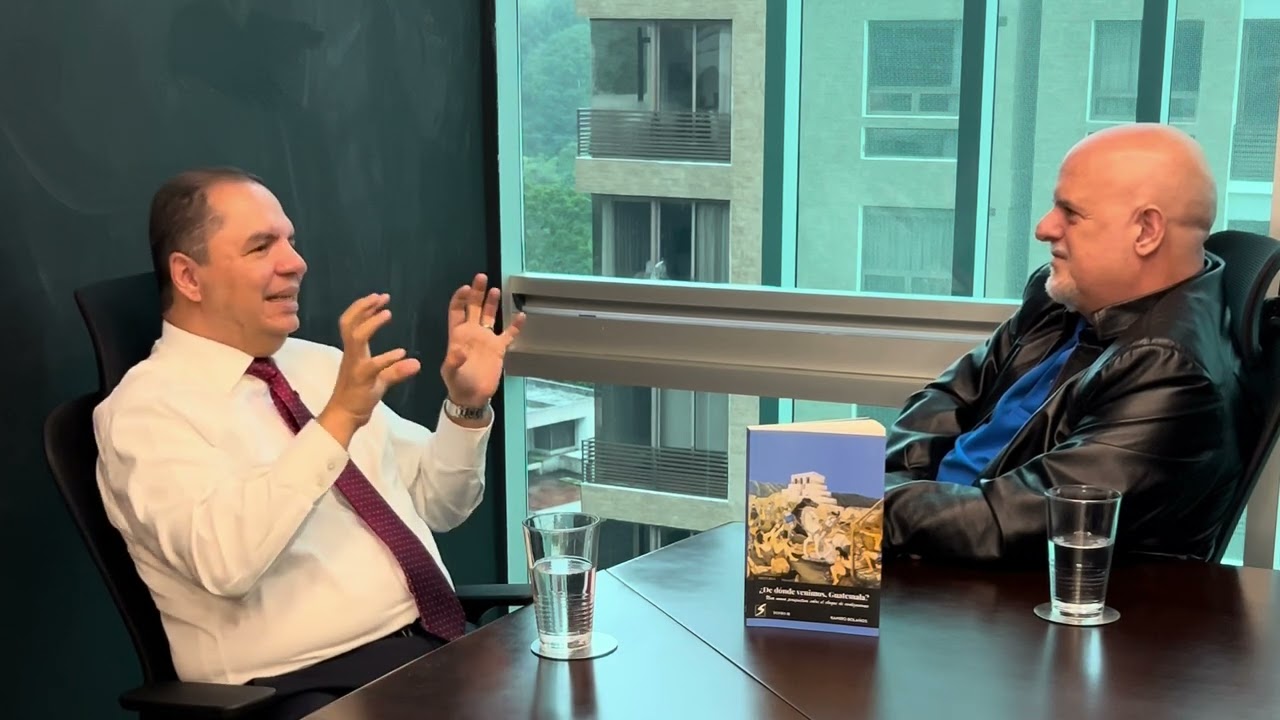

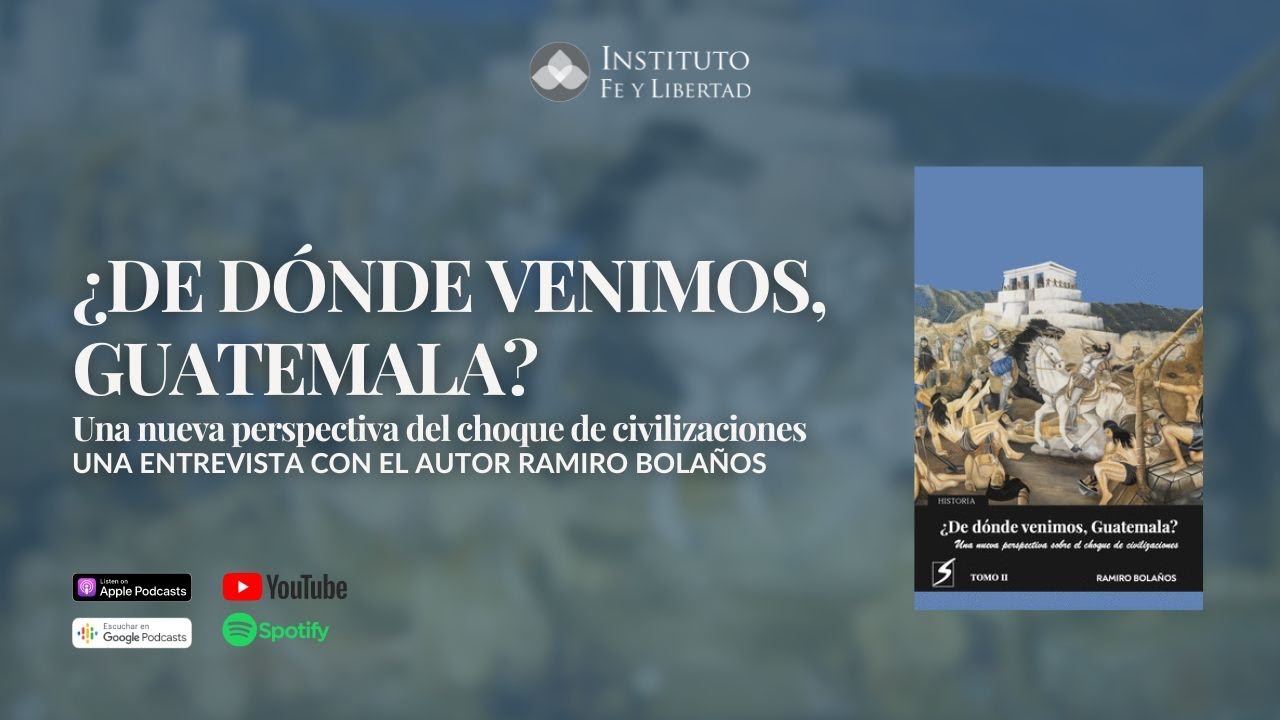




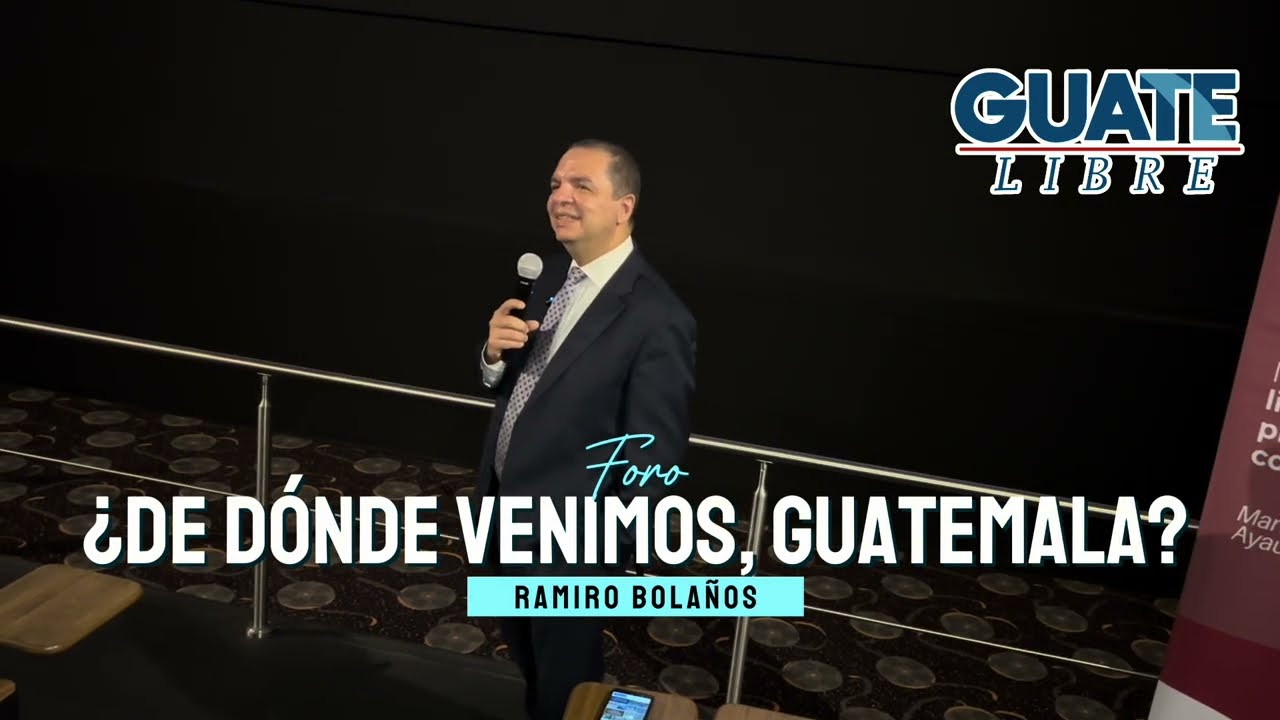


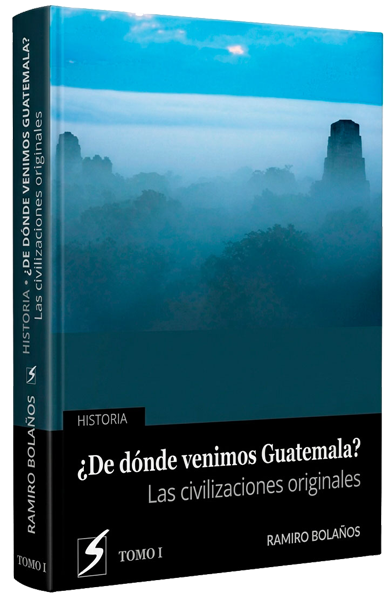
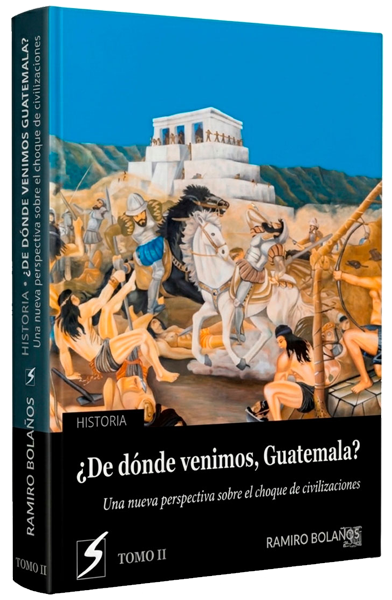
Dr. Ramiro Bolaños, who has devoted many years to studying the history of Guatemala and the region, offers a unique contribution through a series of books. Drawing on countless sources, he recounts the history of the various civilizations and cultures that have inhabited these lands since their origins, exploring their evolution, challenges, achievements, advances, and setbacks. Through this work, he provides readers with a broad and insightful perspective on the historical processes that have shaped Guatemala and its place within the wider regional context.
Guatemala faces a crisis of perception and strategy. Not only do we fail to appear in the key global competitiveness rankings, but when we do
Last week, we mentioned five urgent structural changes for Guatemala, among them one fundamental principle: spend better, not more. Several readers suggested expanding on this
On a March afternoon, with the sun painting the jacarandas purple and the palo blanco trees gold, Guatemala looks like paradise. The song of blackbirds
Among ravines and rugged mountain ranges, in a hollow of one of the most remote corners hardest hit by malnutrition in Guatemala, an oasis of
Guatemala is stagnant: we invest barely 16% of our GDP in fixed capital, while Panama and the Dominican Republic reach 32%. History gives us an
On any given morning, traffic in Guatemala City is a silent chaos: cars crawl forward at a snail’s pace, horns sound like a collective lament,